

Introduction
Social media has become a powerful tool for businesses of all sizes to connect with their audience, build brand awareness, and drive sales. But without a clear strategy, efforts can fall flat. This guide is designed for beginners who want to create a step-by-step social media marketing plan that delivers real results.
Step 1: Set Clear Goals for Social Media Marketing Guide for Beginners
Before posting anything, define what you want to achieve. Do you want to increase brand awareness, generate leads, drive website traffic, or boost sales? Your goals will shape your content, platform choice, and engagement approach.

Step 2: Know Your Target Audience for Social Media Marketing Guide for Beginners
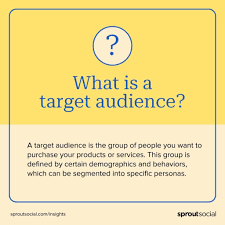
Understanding your audience is crucial. Identify their demographics, interests, and pain points. Use this information to create content that resonates and encourages engagement. Tools like Google Analytics, Facebook Insights, and customer surveys can help.
Step 3: Choose the Right Platforms for Social Media Marketing Guide for Beginners
Not every platform suits every business. For example:
- Instagram & TikTok work great for visual content.
- LinkedIn is ideal for B2B marketing.
- Facebook offers robust advertising tools.
Focus on 1–2 platforms where your audience is most active rather than spreading yourself thin.

Step 4: Create a Content Strategy
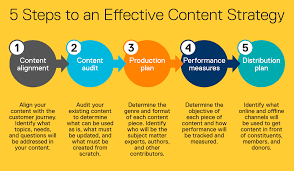
Plan your content in advance using a content calendar. Mix up formats: images, videos, carousels, reels, polls, and stories. Balance promotional content with valuable, entertaining, or educational posts. Use the 80/20 rule: 80% value, 20% promotion.
Step 5: Stay Consistent
Consistency builds trust. Post regularly—whether that’s daily, a few times a week, or weekly. Use tools like Buffer, Hootsuite, or Later to schedule posts and maintain a steady presence.
Step 6: Engage With Your Audience
Social media is a two-way street. Respond to comments, messages, and mentions. Ask questions, run polls, and encourage user-generated content to boost engagement and build community.

Step 7: Monitor and Analyze Performance
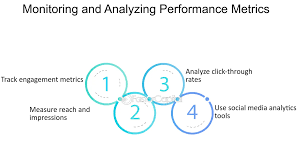
Track your metrics to see what’s working. Look at reach, engagement, click-through rates, and conversions. Use platform insights or tools like Sprout Social and Google Analytics to measure success and adjust your strategy as needed.
Step 8: Refine and Improve
Your first plan won’t be perfect—and that’s okay. Use your data to continuously refine your approach. Experiment with new formats, posting times, or hashtags to find what resonates best with your audience.
Conclusion
Social media marketing doesn’t have to be complicated. By following this step-by-step strategy, beginners can confidently create and grow an effective online presence. With patience, consistency, and a data-driven approach, success is just a few clicks away.