
In today’s fast-paced digital world, brands must evolve to stay relevant, connect with new audiences, and reflect changing market trends. That’s where Rebranding Done Right: When and How to Refresh Your Brand comes into play. But rebranding is more than just a new logo or color scheme — it’s a strategic process that can redefine your business identity and boost your market position.
If you’re considering a rebrand or wondering whether it’s time for one, this guide will help you understand when to refresh your brand and how to do it right.
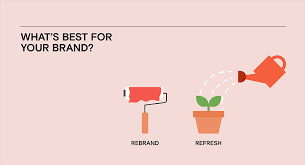
When Should You Consider Rebranding?
Rebranding isn’t something to do lightly — it requires careful thought and planning. Here are some common signs it might be time to refresh your brand:
1. Your Brand Feels Outdated
If your logo, colors, or messaging look stuck in the past or no longer reflect your company’s values and vision, it’s time to rethink your identity.
2. You’ve Pivoted Your Business Rebranding Done Right: When and How to Refresh Your Brand
If your products, services, or target audience have shifted significantly, your branding should align with your new direction.
3. Mergers and Acquisitions
Combining brands or entering new markets often requires a unified brand identity that represents the new entity.
4. Negative Brand Perception
If your brand has faced reputational issues or customer trust has eroded, a rebrand can help reset public perception.
5. Market Expansion or New Competition
Entering new markets or facing fierce competition can call for a refreshed brand to stand out and appeal to different demographics.
How to Refresh Your Rebranding Done Right: When and How to Refresh Your Brand — The Rebranding Process
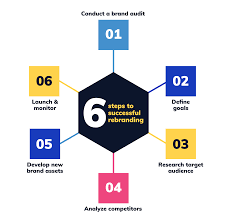
A successful rebrand is strategic, intentional, and customer-focused. Here’s a step-by-step process to guide your rebranding journey:
Step 1: Conduct a Brand Audit
Evaluate your current brand’s strengths, weaknesses, and market position. Gather customer feedback, review competitors, and analyze what works and what doesn’t.
Step 2: Define Your Brand Strategy
Clarify your brand’s mission, vision, values, and unique selling proposition (USP). Determine the emotions and messages you want your brand to convey.
Step 3: Develop New Visual Elements
Work with designers to create a new logo, color palette, typography, and overall visual style that align with your updated strategy.
Step 4: Update Your Rebranding Done Right: When and How to Refresh Your BrandVoice and Messaging
Craft new taglines, slogans, and copy that resonate with your audience and reflect your brand’s personality.
Step 5: Plan Your Rollout
Decide how and when to launch your new brand identity across all channels — website, social media, packaging, advertising, and internal communications.
Step 6: Communicate Internally Rebranding Done Right: When and How to Refresh Your Brand
Ensure your employees understand the reasons behind the rebrand and can represent the new brand consistently.
Step 7: Launch and Monitor
Introduce your new brand to the world with a clear story behind the change. Monitor customer reactions and engagement to adjust your strategy if needed.
Tips for a Successful Rebranding Done Right: When and How to Refresh Your Brand
- Stay True to Your Core
While visual and messaging changes are essential, keep the core essence of your brand intact to maintain loyalty. - Engage Your Audience
Involve customers in the process via surveys or sneak peeks to create excitement and buy-in. - Be Consistent
Apply your new branding uniformly across all touchpoints to build recognition and trust. - Prepare for Mixed Reactions
Not everyone will immediately love the new brand — be patient and open to feedback.
Final Thoughts
Rebranding is a powerful tool when done right. It can breathe new life into your business, clarify your market position, and attract fresh audiences. But it requires a clear strategy, thoughtful execution, and ongoing commitment.
If you’re feeling the signs it’s time for a change, start your rebranding journey today — with purpose and confidence.